
How does a bedwetting alarm work?
A moisture sensor sits in the underwear or on the sheet. When the first drops of urine reach it, an alarm sounds. The child wakes up, stops, and finishes on the toilet. Over weeks, the brain learns to connect the feeling of a full bladder with waking up — or with holding on until morning.
How long does alarm treatment take?
Most children see progress within a few weeks. A full treatment usually takes 8–16 weeks. After about four weeks it is possible to tell whether the child is responding, so you can decide whether to continue, pause or try again later.
Does it work?
The alarm has the lowest relapse rate of all bedwetting treatments, because the child learns a new reflex. Results are best when the family uses it every night and follows a clear plan. Studies show that families who stay with the plan can succeed on their own, with or without nurse support.
Tips for the first weeks
- Use the alarm every night, also on weekends.
- A parent should help the child wake up fully at first — many children sleep through the sound.
- Keep a log of wet and dry nights.
- Praise effort, never punish wet nights.
- Do not give up after one week. Change takes time.
How to choose a bedwetting alarm
- A sensor that detects moisture quickly, also when the child moves.
- An alarm loud enough to wake a deep sleeper, ideally with an alert on the parent's phone.
- Comfortable underwear the child is happy to wear.
- Guidance and a plan, so you know what to do each week.
The DryGuardians alarm
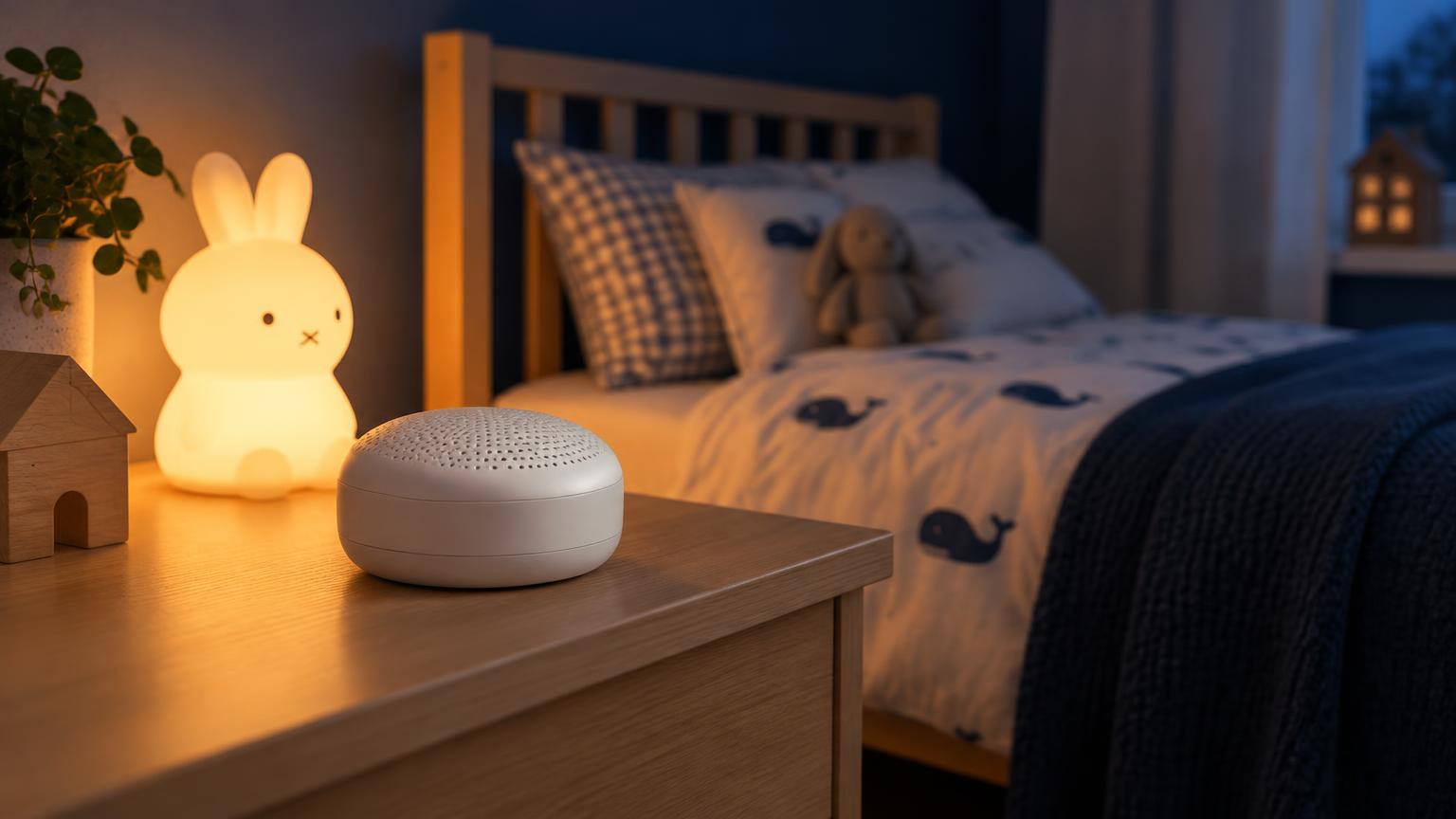
DryGuardians combines a sensor, an alarm speaker, sensor underwear and an app. The app alerts the parent, logs every night and adapts the treatment plan. It is used by more than 50 hospitals in Sweden.
Common questions
From what age can you use a bedwetting alarm?
Usually from around age 5–6, when the child is motivated to become dry.
What if my child sleeps through the alarm?
This is common at the start. Wake your child gently and walk them to the toilet. Alarms that also notify the parent help a lot.
Read next
Last updated October 2026.